What Is Bedbugs And How They Are HarmFul?
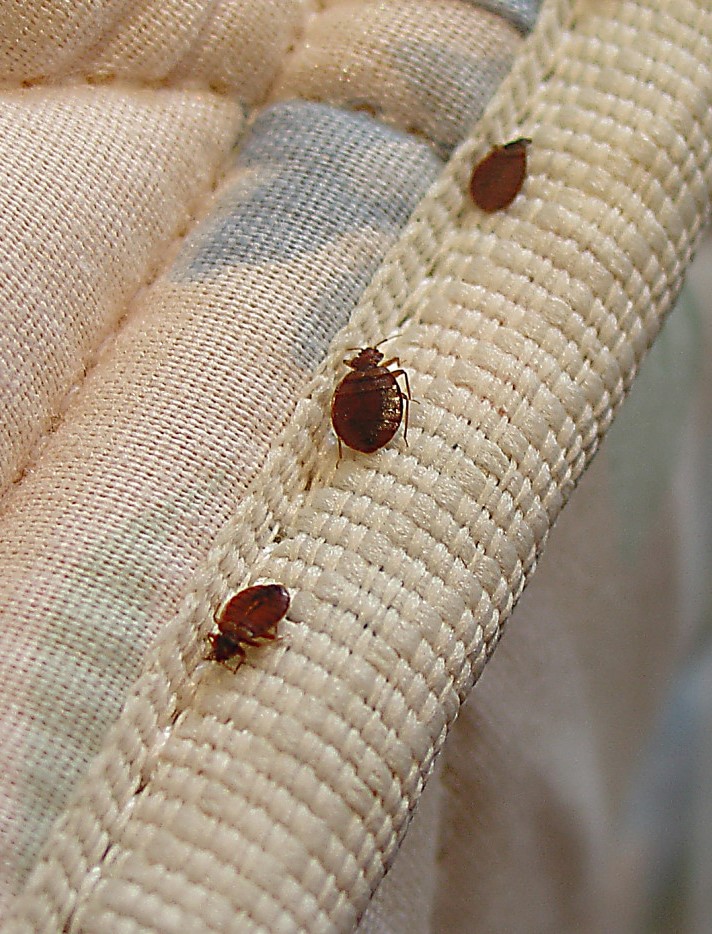
Bedbugs, those tiny, reddish-brown bugs that feed on the blood of both humans and animals, tend to inhabit furniture, bedding, and crevices in walls and floors. They are active mainly at night, and their bites often leave behind an annoying and uncomfortable itch. Eradicating a bedbug infestation can be a challenging task that may require the assistance of experts. While bedbugs are not known to spread diseases, they can definitely be a source of frustration and anxiety.
Bedbugs are often seen as pesky creatures as they have a penchant for feeding on human and animal blood, resulting in irritating bites and skin discomfort. While bedbugs are not known to spread diseases to humans, their mere presence can cause significant psychological stress and sleep deprivation for those who encounter them. In severe infestations, anemia can also occur, which is a medical condition caused by a deficiency of red blood cells in the body. This can be particularly concerning for more susceptible groups such as the elderly and children. Moreover, the use of pesticides and other treatments to control bedbugs can potentially pose health hazards if not used safely and cautiously.

Treatments For Killing Bedbugs
The management of bedbugs generally involves a multifaceted approach that integrates both chemical and non-chemical methods.
-
Non-chemical Treatment
Non-chemical remedies include vacuuming, steaming, and laundering infested bedding and clothing in hot water. It may also involve encasing mattresses and box springs in specially designed bed bug-resistant covers, which have been shown to be effective in reducing bedbug populations.
-
Chemical Treatment
Chemical treatments might entail the use of insecticides, such as pyrethroids, neonicotinoids, or insect growth regulators. However, caution must be exercised when using these chemicals as they can pose potential health risks to humans and animals. Therefore, it is recommended that only licensed professionals should apply them. Heat treatments, which involve exposing infested items to high temperatures for a certain period of time, are also gaining popularity as an efficient and eco-friendly bedbug treatment option.
Precoutions After Bedbug Treatment
It is essential to note that bedbug treatment can be time-consuming and may necessitate multiple applications to completely eliminate the infestation. Additionally, preventative measures such as regular cleaning, vacuuming, and inspecting second-hand furniture can aid in reducing the possibility of a bedbug infestation in the first place.
Once bedbug treatment is complete, it's crucial to take several precautions to thwart re-infestation. These precautions may encompass washing all linens and apparel in hot water and drying them on high heat, vacuuming meticulously and frequently, sealing any gaps and fissures in walls and floors, and abstaining from buying second-hand furniture or bedding without conducting a thorough inspection. It's further advised to stay vigilant and monitor the area for any signs of bedbugs, and to promptly seek professional assistance if any are detected. Moreover, it's vital to adhere to any specific instructions provided by the pest control expert who conducted the treatment, such as refraining.